Guide
Amalfi Coast things to do, from west to east
Amalfi Coast things to do from west to east in eight stretches: Sorrento, Positano, Amalfi, Ravello, Salerno and Paestum, plus Capri, Pompeii and Naples.
In short
The Amalfi Coast is best covered from west to east, in eight stretches: the Sorrento peninsula, Positano, Praiano and Furore, Amalfi and Atrani, Ravello, Minori and Maiori with Cetara and Vietri, Salerno and Paestum, and the side trips to Capri, Pompeii and Naples. This guide says what to see in each, with the practical details found in sources checked on 24 November 2026.
Ready to book
- Small-group day trip to Capri from Positano or Praianofrom €199 · 8 h Book on Viator (opens in a new tab)
- Amalfi coast and Furore fjord by boatfrom €40 · 2 h Book on Viator (opens in a new tab)
- Pompeii archaeological site entry ticketfrom €27.50 Book on Tiqets (opens in a new tab)
Some links are affiliate links: book through one and we may earn a commission, at no extra cost to you. What affiliate links are
Sorrento peninsula: Sorrento, Vico Equense and Massa Lubrense
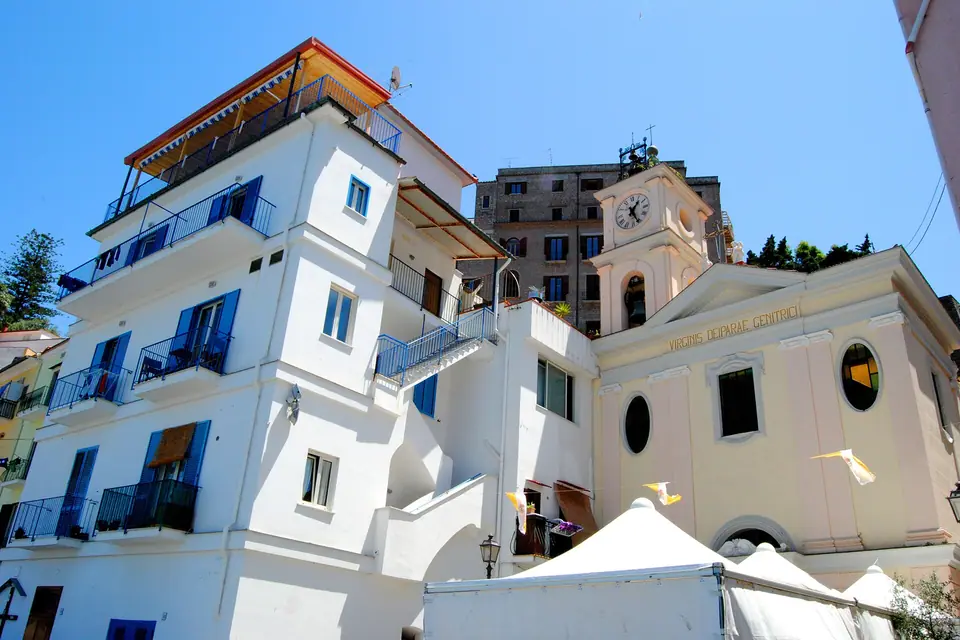
1. Sorrento. It is the western gateway to the coast and the easiest base if you arrive by train: the Circumvesuviana from Naples ends here and the SITA Sud bus towards Positano and Amalfi leaves near the station, at Piazza De Curtis. The centre is pedestrian and touristy, with limoncello shops, inlaid-wood workshops and alleys. Platforms offer cooking classes and visits to lemon and olive-oil farms in the surroundings.
2. Massa Lubrense, Marina del Cantone and Ieranto Bay. The tip of the peninsula is more rural and quieter. Boats leave Marina del Cantone for Ieranto Bay, with rock walls and clear water, and the Nerano and Punta Campanella area is good for walking.
3. Bagni Regina Giovanna. A natural arch and a sea pool near Sorrento, easier to reach by kayak or boat than overland. There are kayak departures by day or at sunset.
4. Vico Equense. The town on the eastern side of the peninsula, with sea and cliffs below the old centre. It works as a stop if you are heading to Pompeii along the coast.
Bay of Ieranto and Punta Campanella boat tour from Marina del Cantone
Four hours by boat from Marina del Cantone along the Punta Campanella coast, with stops at the Bay of Ieranto and several caves.
Sorrento SUP - Paddle board & Kayak experience
Kayak to Bagni Regina Giovanna from Sorrento, day or sunset
A two-hour kayak trip along the Sorrento coast to the Bagni della Regina Giovanna and the Roman villa, by day or at 6 pm for the sunset.
Pasta class at a villa near Sorrento with pick-up
Four hours at a historic villa in the Sorrento hills: montanara pizza, ravioli caprese, braciola, tiramisu and dinner, with a shuttle from the station.
Sorrento farm visit with olive oil, limoncello and wine
Four hours on a family farm on the Sorrento peninsula, with olive groves, an oil mill, a wine cellar, tastings and a light meal.
Positano
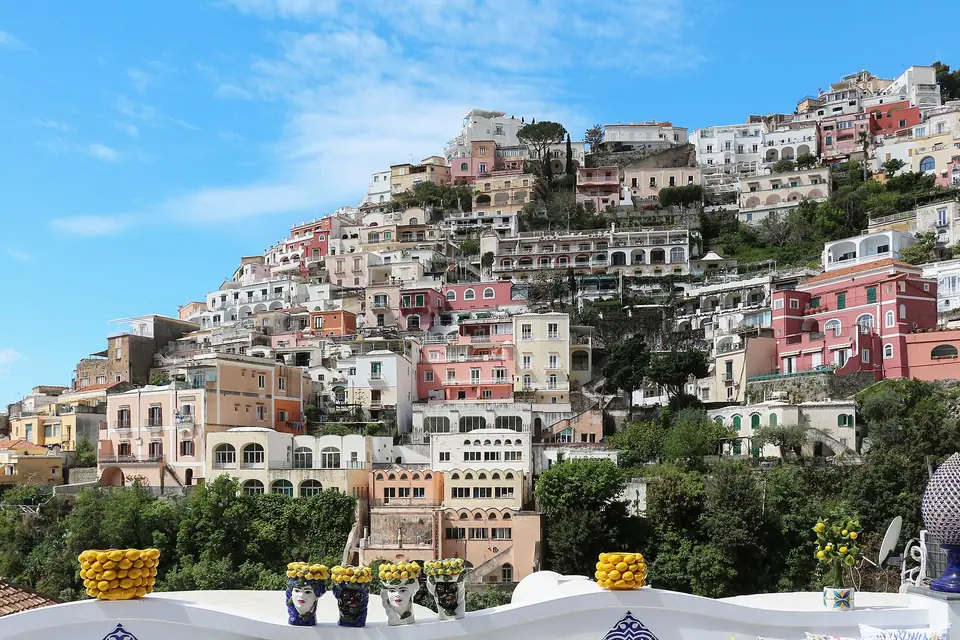
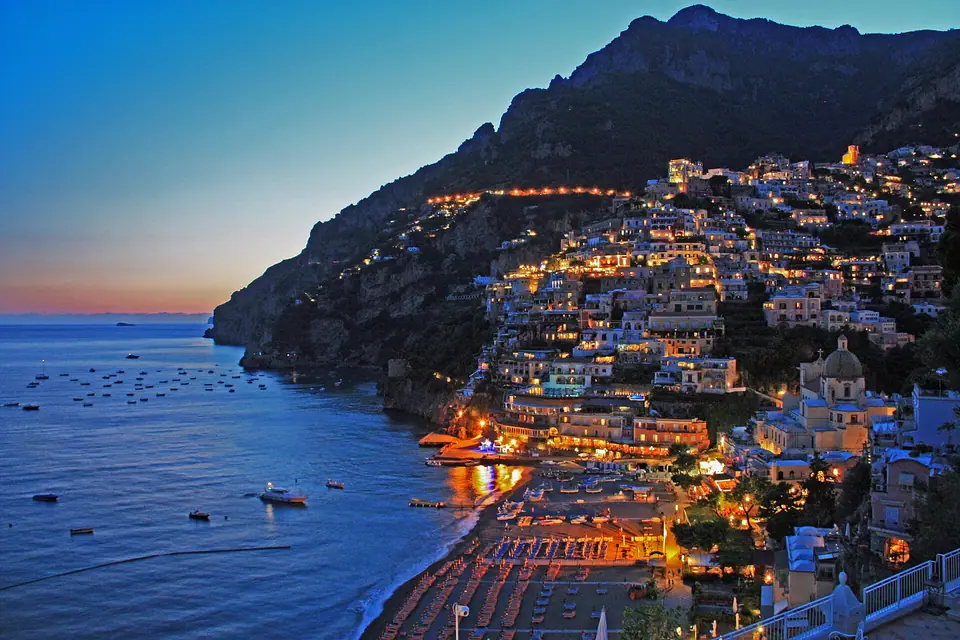
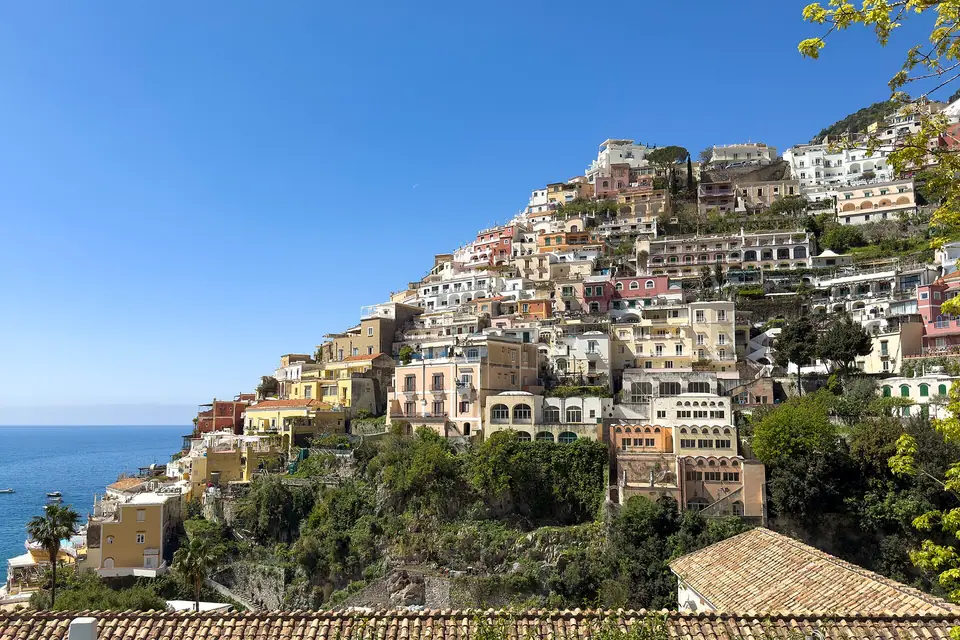
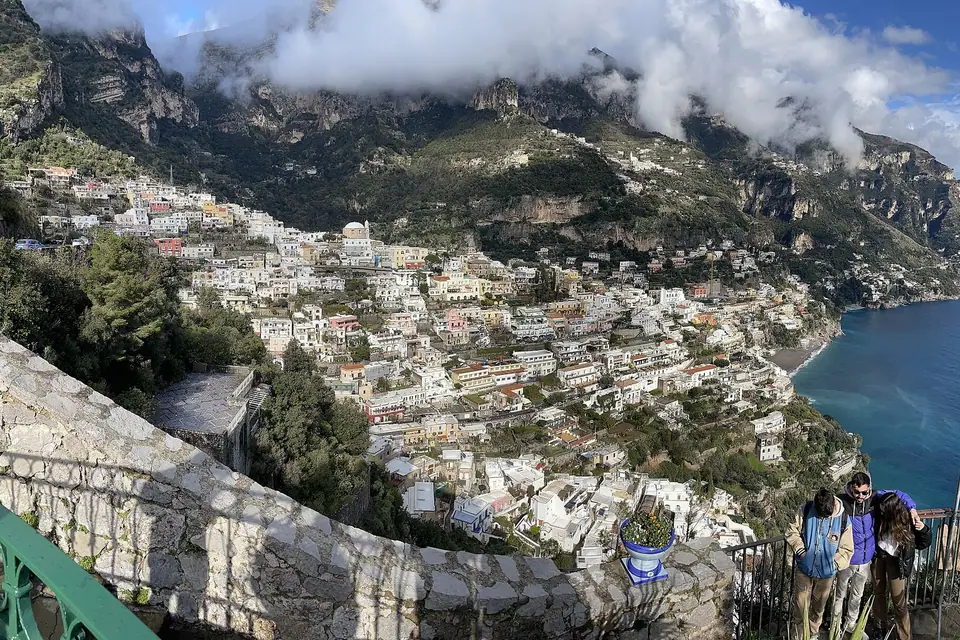
5. Positano. The coloured houses pile up the hillside down to Spiaggia Grande beach, with the smaller Fornillo to the west. The town takes a morning to walk, by steps and alleys lined with fashion and ceramics shops. One source says the historic centre is a restricted-traffic zone around the clock; near the beach the private car parks (De Gennaro and Mandara) cost 8 euros an hour and the few blue-line spaces about 3 euros an hour, according to a local guide, which adds that free parking exists only in the upper districts of Nocelle and Montepertuso.
6. What to do from the sea. Positano is the departure point for boat trips to Capri, the Praiano coast and Amalfi, and the Crapolla coves; the small pier on the main beach is used only for boarding and landing.
7. Path of the Gods. The coast's most famous trail links Bomerano, in Agerola, with Nocelle, above Positano. Sources give between 5.6 and 7.8 kilometres and between 1.5 and 5 hours depending on pace and stretch; it is waymarked with the number 02. Spring and autumn are more comfortable and summer has little shade. This site has a dedicated guide to the trail.
Small-group day trip to Capri from Positano or Praiano
Full day by boat from Positano or Praiano to Capri in a small group, with swim stops and free time in Capri to explore on your own.
Small-group Amalfi Coast boat tour from Positano
Day by boat from Positano along the Amalfi Coast in a small group, with Praiano, Furore and Amalfi, swimming, snorkelling and drinks on board.
Small-group sunset boat trip from Positano
Ninety minutes by boat in the late afternoon from Positano for up to 12 people, with a stop at the Furore fjord, an aperitif and music.
Path of the Gods with a local guide from Agerola
The Path of the Gods with a certified guide from Agerola to Nocelle: a 7 km balcony trail above the coast, taking three to five hours.
Praiano, Furore and Conca dei Marini
8. Praiano. It is the quietest stretch between Positano and Amalfi: a small cove (Marina di Praia), watchtowers and terraces over the sea. It makes a cheaper, less crowded alternative base. Praiano's landing stage appears in the Travelmar timetable with service from June 2026.
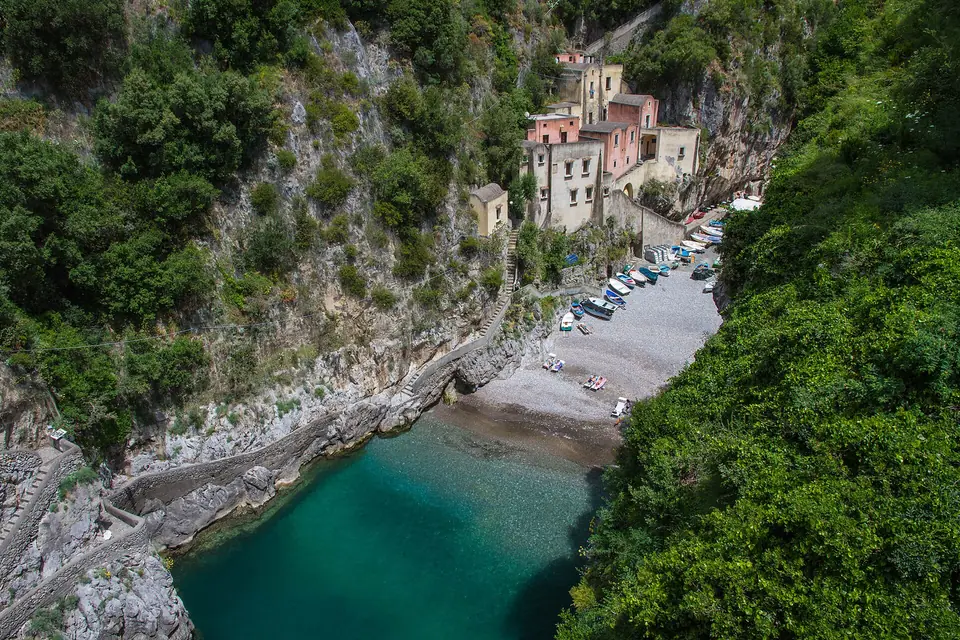
9. Furore and its fjord. Furore is a scattered village above a ravine running down to the sea, the fjord, with a small cove and a high bridge. Boat trips of about two hours from Amalfi pass the fjord.
10. Conca dei Marini and the Emerald Grotto. The grotto is visited in about 20 to 30 minutes, around 15 of them in a rowing boat; you go down to sea level by lift or stairs, or arrive by boat from Amalfi. Sources give entry prices of 5 to 10 euros and no official tariff was seen; it closes in rough seas.
Amalfi coast and Furore fjord by boat
Two hours by boat from Amalfi along the coast and the Furore fjord, with a 30-minute swim stop, toilets and a shaded area on board.
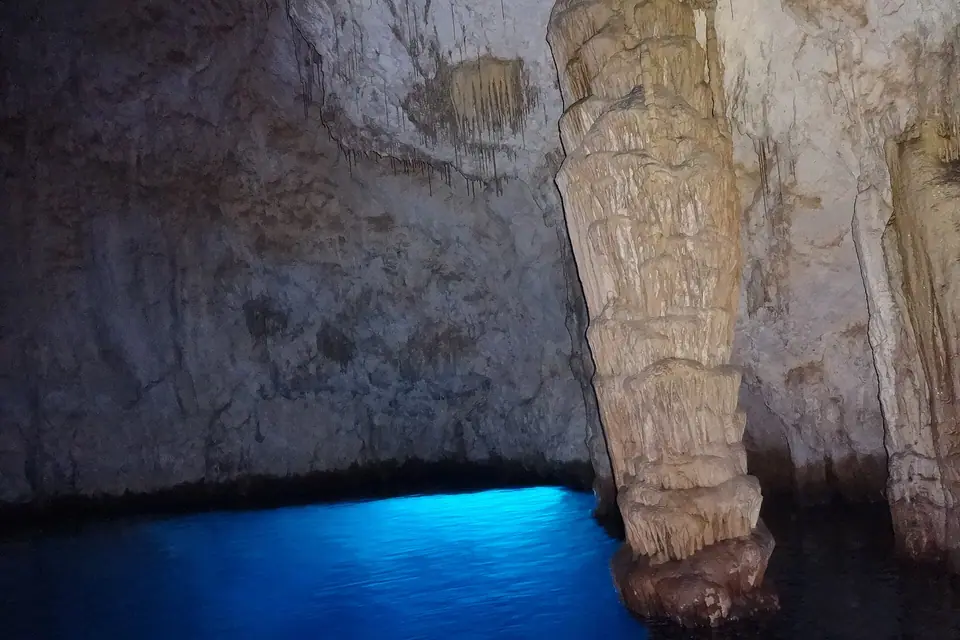
Visit to the Grotta dello Smeraldo at Conca dei Marini
Sea cave at Conca dei Marini with green-tinted water, visited by rowing boat after taking the lift down or arriving by boat from Amalfi.
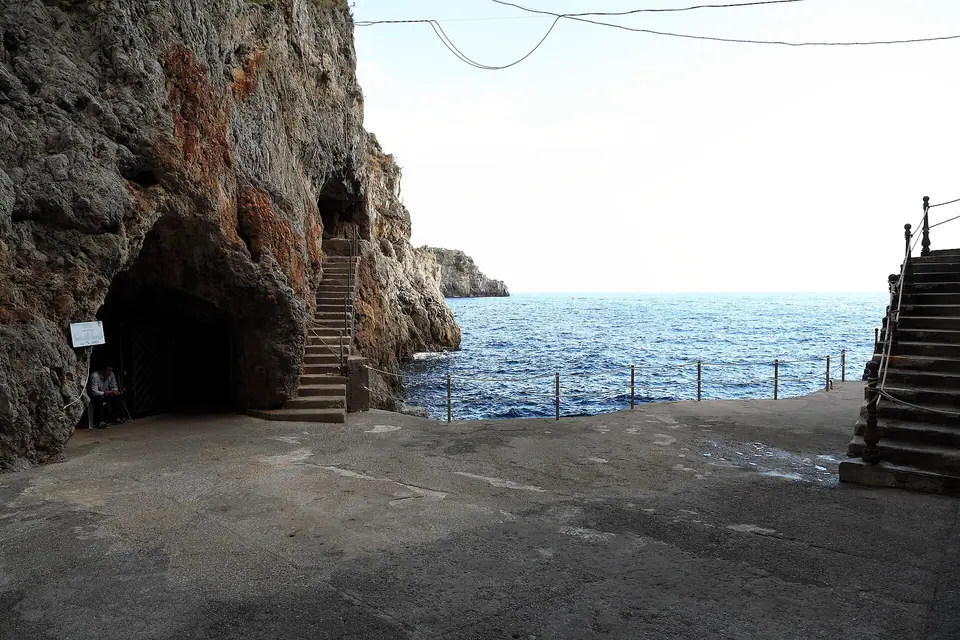
Amalfi Coast cruise with a stop at the Emerald Grotto
Seven hours in a small group from Positano, with the Triton and African grottoes, the Arco Naturale and, optionally, the Emerald Grotto.
Amalfi and Atrani
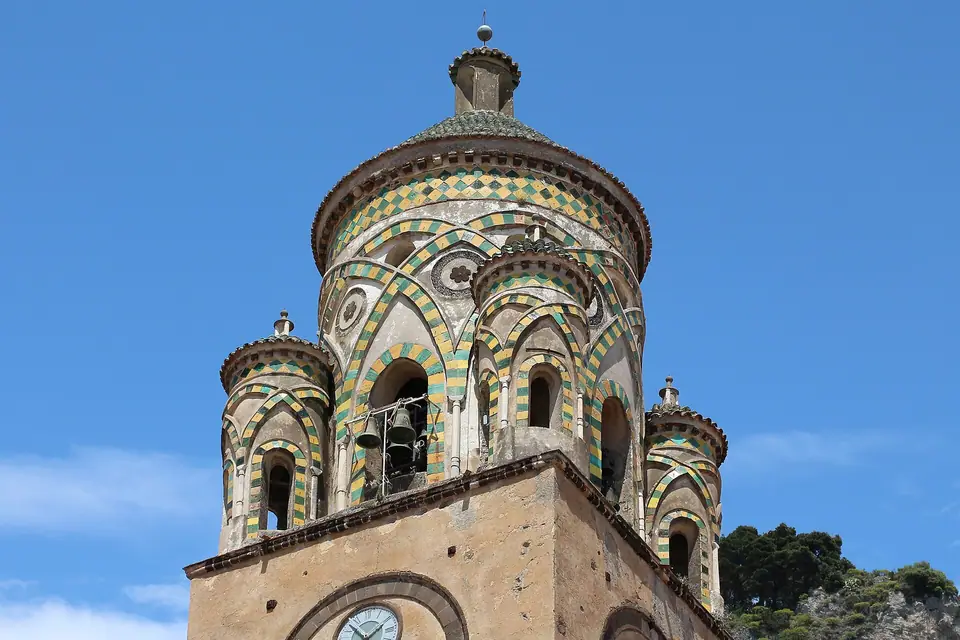
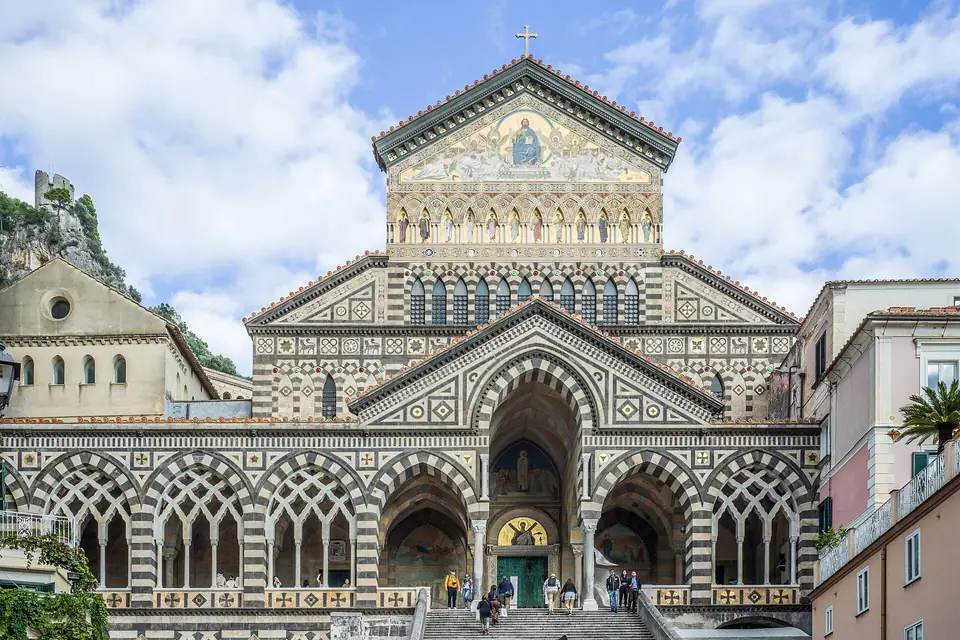
11. Amalfi. The centre of the coast. Piazza Duomo, with the Sant'Andrea cathedral, is the heart of the town, and the shopping street runs from it towards the valley of the mills. The Museo della Carta occupies a former paper mill and shows presses and water-driven hammers; sources give 4.50 and 6 euros for entry, unconfirmed on the official site, and summer hours of 10:00 to 19:00.
12. Atrani. It is a few minutes' walk from Amalfi, and tunnels from the Luna Rossa car park lead to the centre of Amalfi and to Atrani's old town. A local guide gives 5 euros an hour at Luna Rossa from 8:00 to 19:00 and 4 euros at night; in Atrani, 2.50 euros an hour on the blue line and, by the Amalfi port area, 3 euros an hour.
13. Sea and caves. Kayaks and boats leave Amalfi for caves, arches and hidden coves, and there are boat trips towards Positano as well. SITA Sud buses to Bomerano, about 40 minutes according to one source, let you start the Path of the Gods from there.
Amalfi Paper Museum
Museum in a medieval paper mill in the Valley of the Mills, with historic machinery and a hand-made paper demonstration.
Amalfi Coast kayak tour: caves, arches and hidden beaches
Three hours by kayak along the Amalfi coast with Italian federation guides: beaches, rock arches, sea caves, watchtowers and snorkelling.
Amalfi Coast boat day from Amalfi
Seven hours on a traditional gozzo from Amalfi, taking in the Emerald Grotto, the Furore fjord, a lunch stop in Praiano and free time in Positano.
Amalfi and Positano by boat: caves, beaches and snorkelling (4 hours)
Four hours on a wooden gozzo from Amalfi or Positano for up to 10 guests, with grottoes, coves, snorkel stops and drinks on board.
Ravello
14. Villa Rufolo. Tower, Arab-Norman style cloister and gardens with views over the coast; in summer its stage hosts the Ravello Festival. The foundation's website gives hours of 9:00 to 17:00 from 3 November 2026, with last entry at 16:30, and a ticket of 8 euros (6 euros for over-65s and children aged 5 to 12); tickets are sold on site only.
15. Villa Cimbrone. A pergola walk leads to the Terrace of Infinity, lined with stone busts. It is about fifteen minutes on foot from Ravello's square. Several guides give around 10 euros, unconfirmed on the official site.
16. Getting up. Ravello sits above Amalfi, served by a local bus; the municipal car park under Piazza Duomo costs, according to one guide, 2.50 euros an hour or 15 euros a day.
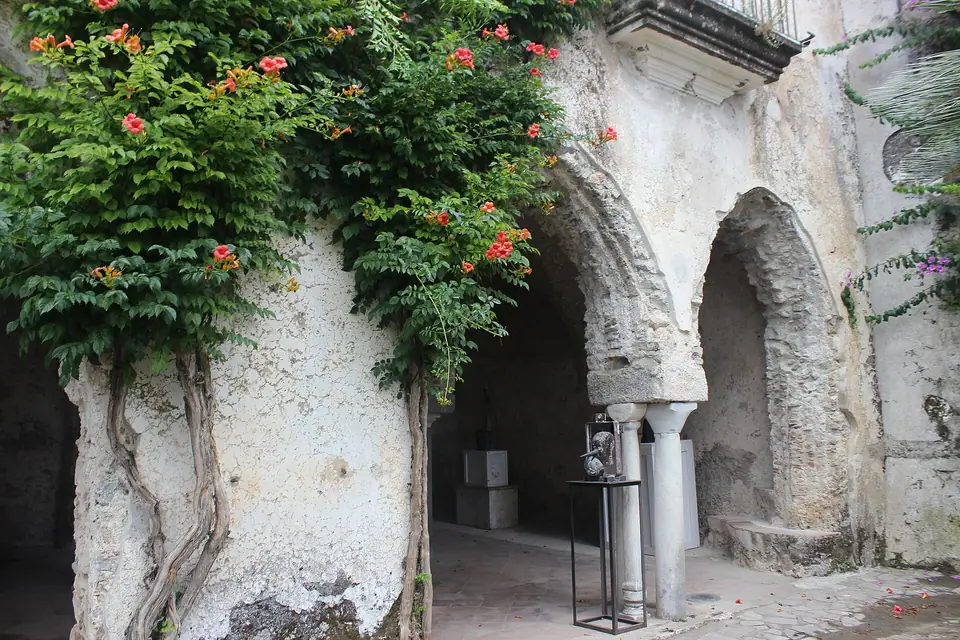
Fondazione Ravello (Villa Rufolo)
Villa Rufolo and gardens in Ravello
Medieval villa with a tower and terraced gardens above the sea, home of the Ravello Festival.
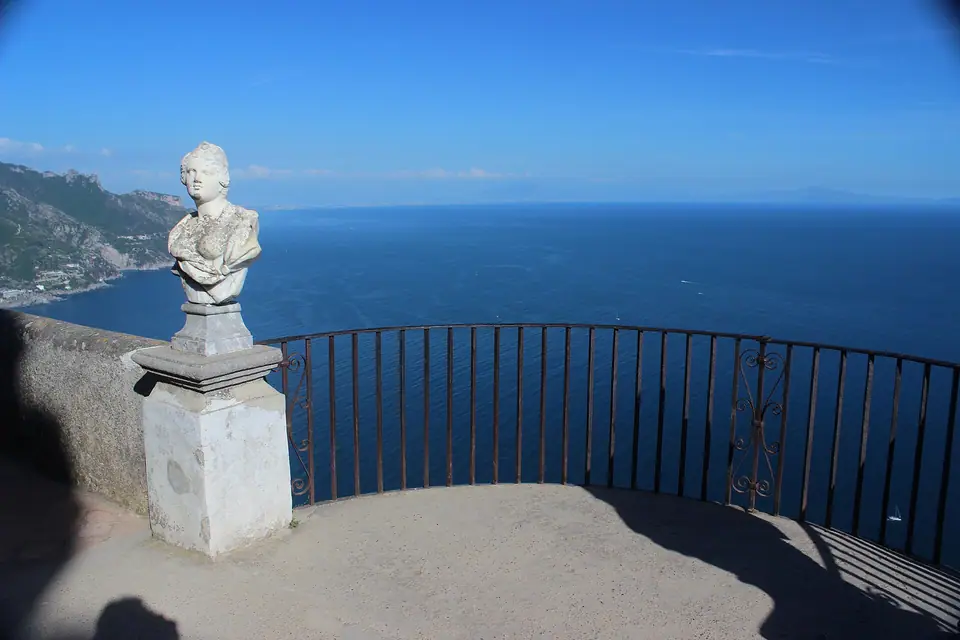
Villa Cimbrone gardens and Terrace of Infinity
Historic gardens at the edge of Ravello with paths, pavilions and a terrace above the sea, the Terrace of Infinity.
Minori, Maiori, Cetara and Vietri sul Mare
17. Minori and Maiori. These are the two towns with the most comfortable sandy beach on the eastern stretch, and less crowded than Positano or Amalfi. Kayaks and snorkelling to Pandora's Cave leave from Maiori, with an aperitif on some departures. Travelmar's timetable links Amalfi to Maiori in 15 minutes for 5 euros and marks the ports of Minori and Vietri as available from April 2026.
18. Cetara. A fishing village known for tuna and anchovies, and for colatura di alici. According to Travelmar, the Maiori-Cetara crossing takes about 20 minutes for 8 euros, and Salerno-Cetara costs 7.50 euros.
19. Vietri sul Mare. The eastern gateway to the coast and the capital of local ceramics. Private workshops let you paint or shape a piece.
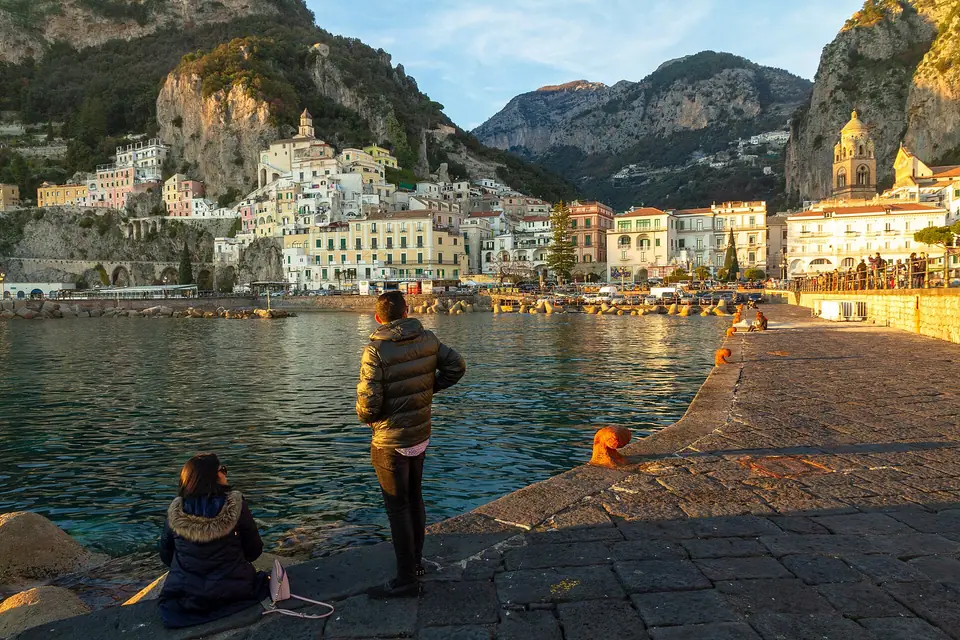
Kayak and snorkelling to Pandora's Cave from Maiori
A guided kayak trip of three and a half hours from Maiori to Pandora Cave, with coves, snorkelling, an aperitif and photos of the outing.
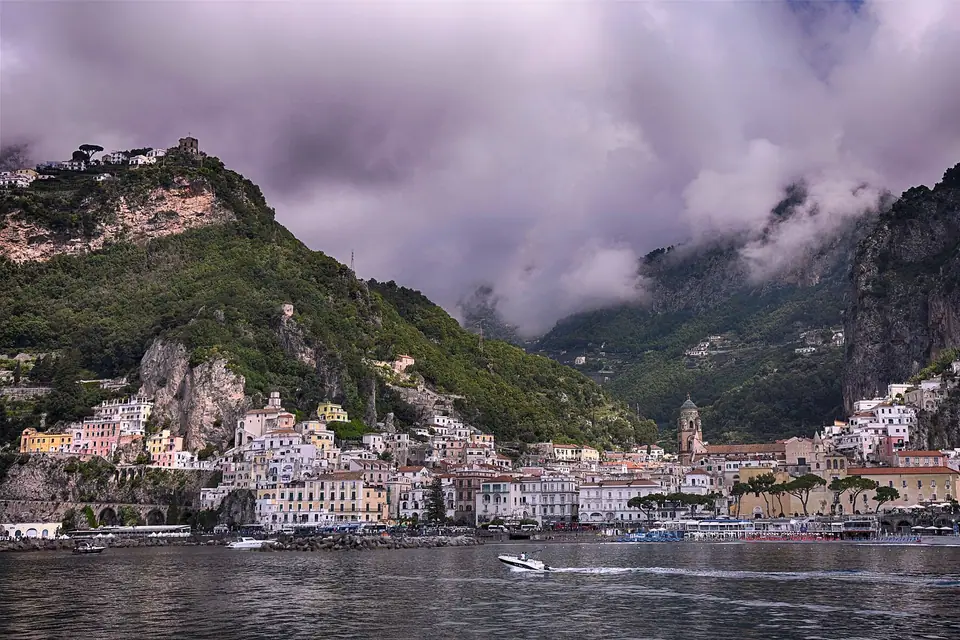
Kayak and snorkelling to Pandora's Cave in Maiori with aperitif
Three and a half hours by kayak from Maiori beach to sea caves and a cove, with snorkelling, fresh fruit and an aperitif, for any level.
Private ceramics workshop in Vietri sul Mare
A private three-hour workshop in Vietri sul Mare to learn about majolica production and try several ceramic techniques, with coffee or tea.
Salerno and Paestum
20. Salerno. A city with a seafront, historic centre and cathedral, and the departure point of Travelmar boats to Amalfi and Positano. It works as a base without mass tourism and with high-speed rail.
21. Paestum. The Doric temples of Hera and Neptune and the temple of Athena, a Roman forum and a museum with the Tomb of the Diver. The official website mentions an integrated ticket that also covers Velia for three days; the price and hours change by season and could not be confirmed for this guide. It lies some kilometres south of Salerno.

Parco Archeologico di Paestum e Velia
Paestum temples and museum entry ticket
Three well-preserved Greek temples and a museum with painted tombs, an hour south of Salerno.
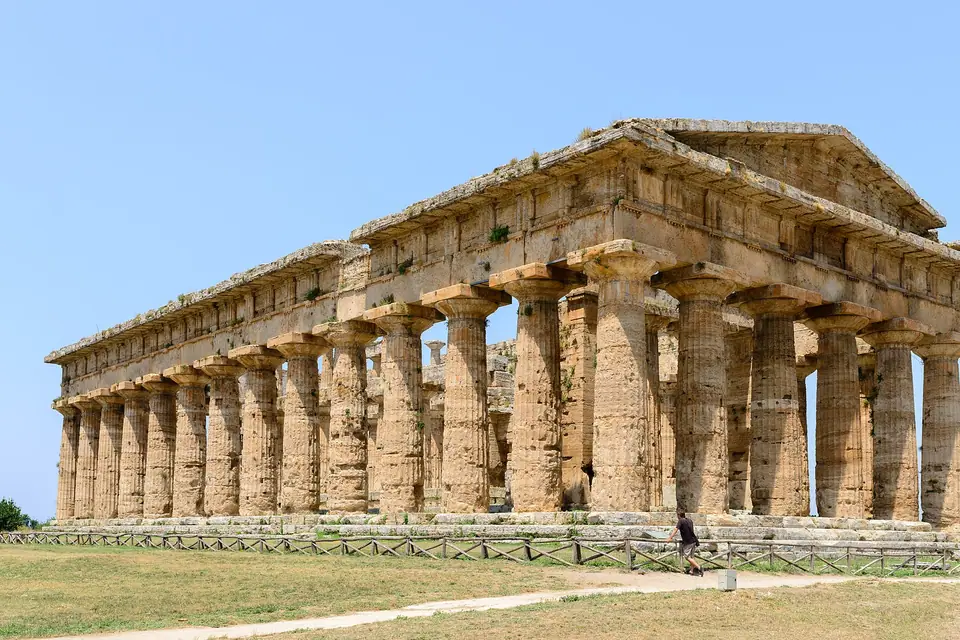
Paestum small-group tour with an archaeologist
Two hours through the three Doric temples and the archaeological museum of Paestum with an archaeologist guide, skip-the-line entry included and groups of up to twenty.
Amalfi Coast boat tour from Salerno with stops in Positano and Amalfi
Seven hours by boat from Salerno harbour with up to 12 people, stops in Positano and Amalfi, a welcome toast and a closing limoncello.
Nearby essentials: Capri, Pompeii and Naples
22. Capri. Reached by boat from Sorrento, Positano, Amalfi or Naples. Anacapri has the Monte Solaro chairlift: according to the official website, 15 euros return and 12 euros one way, with hours of 9:15 to 17:00 from April to October. The Blue Grotto opens only in calm seas; sources give about 18-19 euros entry, paid on the spot, plus about 25 euros for the rowing boat, and the official rules leave the boat service outside the entry ticket. There is a Capri in one day guide on this site.
23. Pompeii. Reached on the Circumvesuviana in about 35 minutes from Naples, getting off at Pompei Scavi-Villa dei Misteri. Since 12 January 2026 the official ticket costs €20 (ancient city only) or €25 including the suburban villas, according to the park’s website. From April to October it opens 9:00 to 19:00, last entry at 17:30, and from November to March 9:00 to 17:00, last entry at 15:30, according to one source. The Gran Cono climb can only be booked on the park’s official site (vesuviopark.vivaticket.it), with a timed entry, and sales close on days with an orange or red weather alert.
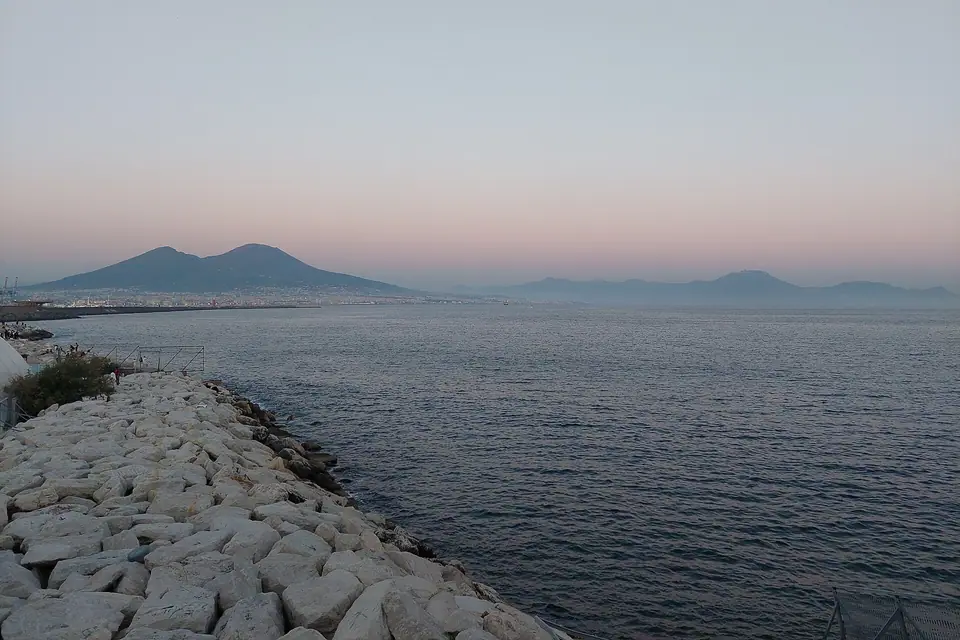
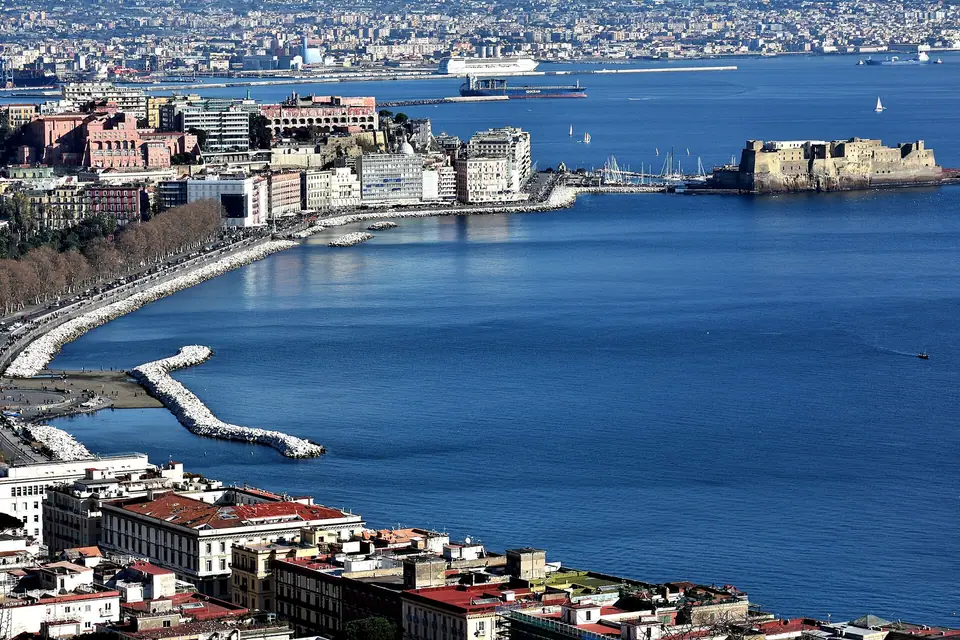
24. Naples. The National Archaeological Museum (MANN) holds the Alexander mosaic and much of what was found at Pompeii, and is a good choice on rainy days. The historic centre, the Sansevero Chapel, Naples Underground and the Royal Palace fill a day or two. There is a dedicated guide to Naples.
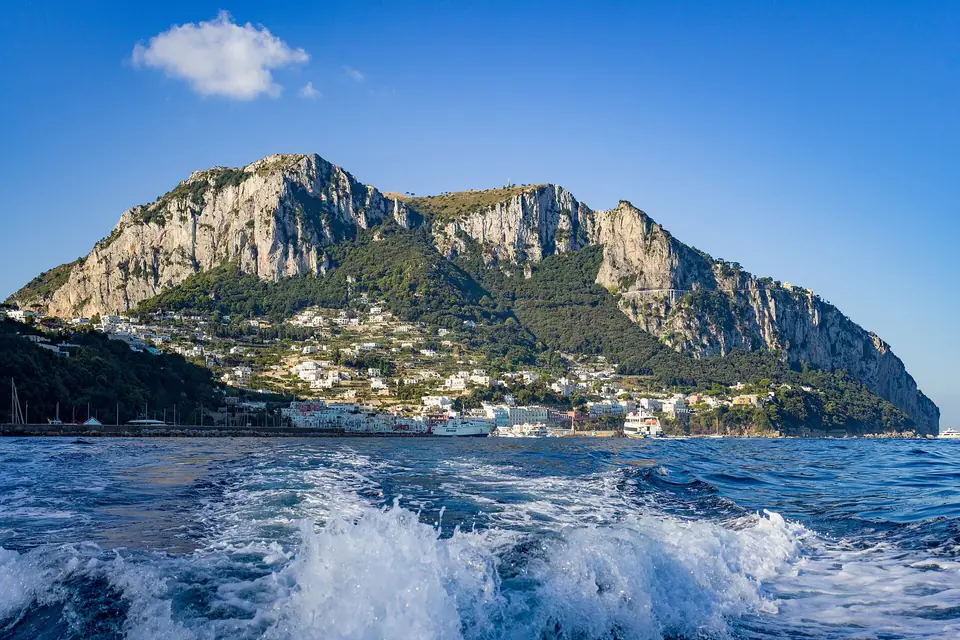
Monte Solaro chairlift in Anacapri
A roughly 13-minute chairlift ride from Anacapri to the top of Monte Solaro, with views over Capri.
Capri and Blue Grotto semi-private boat day trip from Sorrento
Seven to eight hours on a gozzo from Sorrento with up to 8 guests, the Blue Grotto (ticket extra), swimming and free time in Capri.
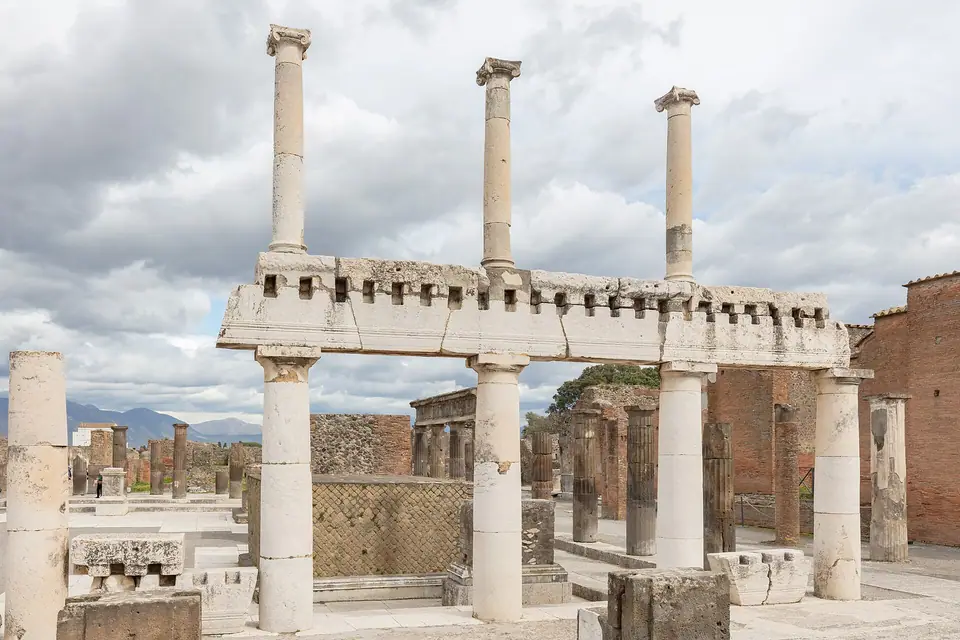
Pompeii archaeological site entry ticket
Ticket to explore on your own the Roman city buried by Vesuvius in AD 79, with its streets, houses and baths.
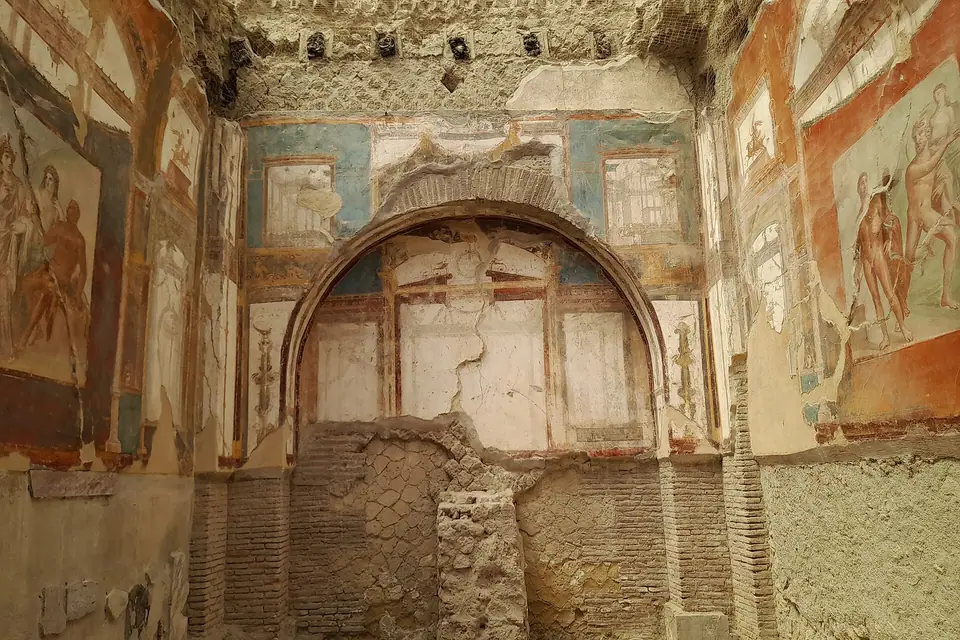
Parco Archeologico di Ercolano
Herculaneum archaeological site entry
The Roman town of Herculaneum, better preserved than Pompeii, with two-storey houses, mosaics and wooden ceilings.
Museo Archeologico Nazionale di Napoli (MANN)
Naples National Archaeological Museum (MANN) entry ticket
The museum holding the mosaics, frescoes and sculptures recovered from Pompeii and Herculaneum, plus the Farnese collection.
Sansevero Chapel and the Veiled Christ
A Baroque chapel in Naples' historic centre that holds the Veiled Christ, a marble sculpture with an almost transparent veil.

Napoli Sotterranea: cisterns and tunnels under the centre
One-hour guided visit to Naples' underground, starting at Piazza San Gaetano 68.
Official sources
Our own text, built on these sources viewed up to 25 November 2026. Rules and traffic limits change, so check them before travelling.
- Travelmar: Amalfi Coast ferry timetable and fares
- SITA Sud: Campania tickets and passes
- Ravello Foundation: Villa Rufolo, hours and fares
- Monte Solaro chairlift: official website
- Capri state museums: visiting rules (Blue Grotto)
- Vesuvius National Park: Gran Cono trail
- Paestum and Velia archaeological parks: tickets
- Quality Travel: Pompeii price in 2026
- Positano.com: where to park
- Amalfi in Vacanza: Emerald Grotto, hours and prices
- Siviaggia: Path of the Gods
- Napolike: Pompeii guide
- Vesuvius National Park: the Gran Cono
- Pompeii Archaeological Park: hours and fees
Frequently asked questions
How many days do you need for the Amalfi Coast?
Three days cover one stretch well (for example Positano, Amalfi and Ravello) with time for a boat trip; adding Capri and Pompeii takes five. A guide gives the three-day itinerary and its five-day variant.
Which is the best town to stay in?
Amalfi is the most central: it has buses and boats in both directions and sits close to Ravello and the Path of the Gods. Positano is pricier and steeper; Praiano, Maiori and Minori are quieter; Salerno and Sorrento suit those who prioritise the train.
When is the best time to go?
Sources on the Path of the Gods recommend April to June and September to October for temperature. Boats mainly run from April to October, with fewer routes outside that window; Travelmar's timetable states service all year.
Do you need a car?
No: SITA Sud buses, boats and the train cover almost everything, and parking is expensive and scarce. A guide covers getting around without a car, including the SS163 rules.
Can the coast be combined with Capri and Pompeii?
Yes, and the most practical split is a day each from Sorrento or Positano, which have boats to Capri; Pompeii is reached by train from Sorrento and Naples. The Circumvesuviana takes about 75 minutes from Naples to Sorrento according to guides consulted.
Atlas of the Amalfi Coast editorial team · reviewed on 25 November 2026
More guides
- Capri day trip: how to get there and a plan for the day
- How to get around the Amalfi Coast without the stress
- The Amalfi Coast in 3 days, based in Amalfi
- Day trips from Naples and Sorrento: how to do them on your own
- Pompeii tickets: types, prices and hours for 2026
- Things to do in Naples: a two-day plan with prices and hours
- Path of the Gods: how to do it, direction and when to go
- Hiking Mount Vesuvius: timed ticket, trail 5 and logistics
- Amalfi Coast: what to do in the rain
- Amalfi Coast with kids: what to do
- Budget plans on the Amalfi Coast
- Amalfi Coast, no effort: easy plans